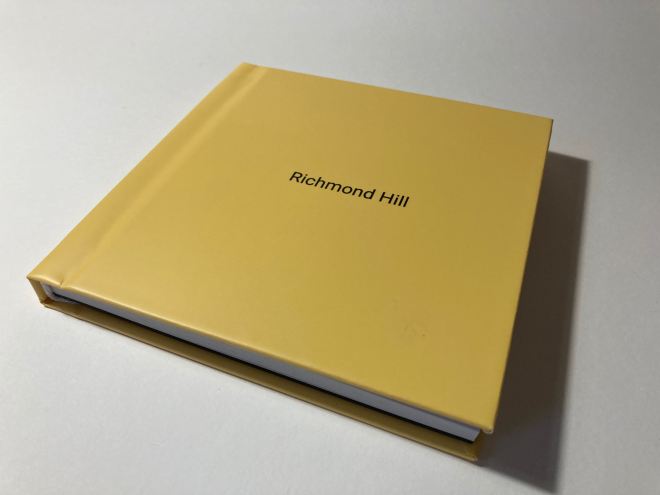
‘Richmond Hill’ is the title of a painting by the artist J. M. W. Turner who designed and had built a house near Richmond, close to the River Thames. This was Turner’s weekend getaway from the City and he would often meet up with friends and spend time fishing. Though his friends were never invited to stay at the house. I got to visit Turner’s House last year and it is a very modest but well designed residence. Turner spent quite a lot of time here with his father after his mother died.
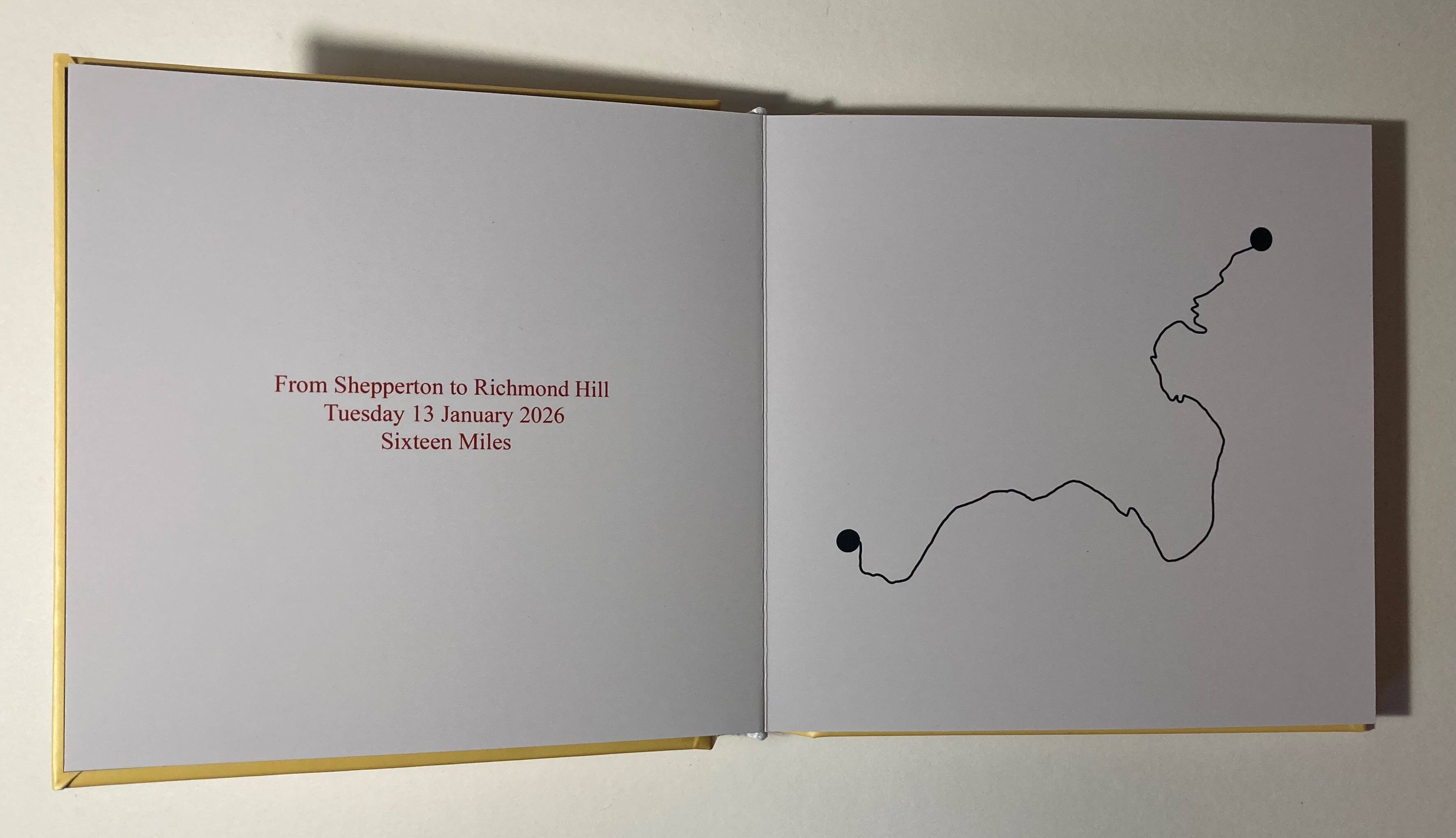
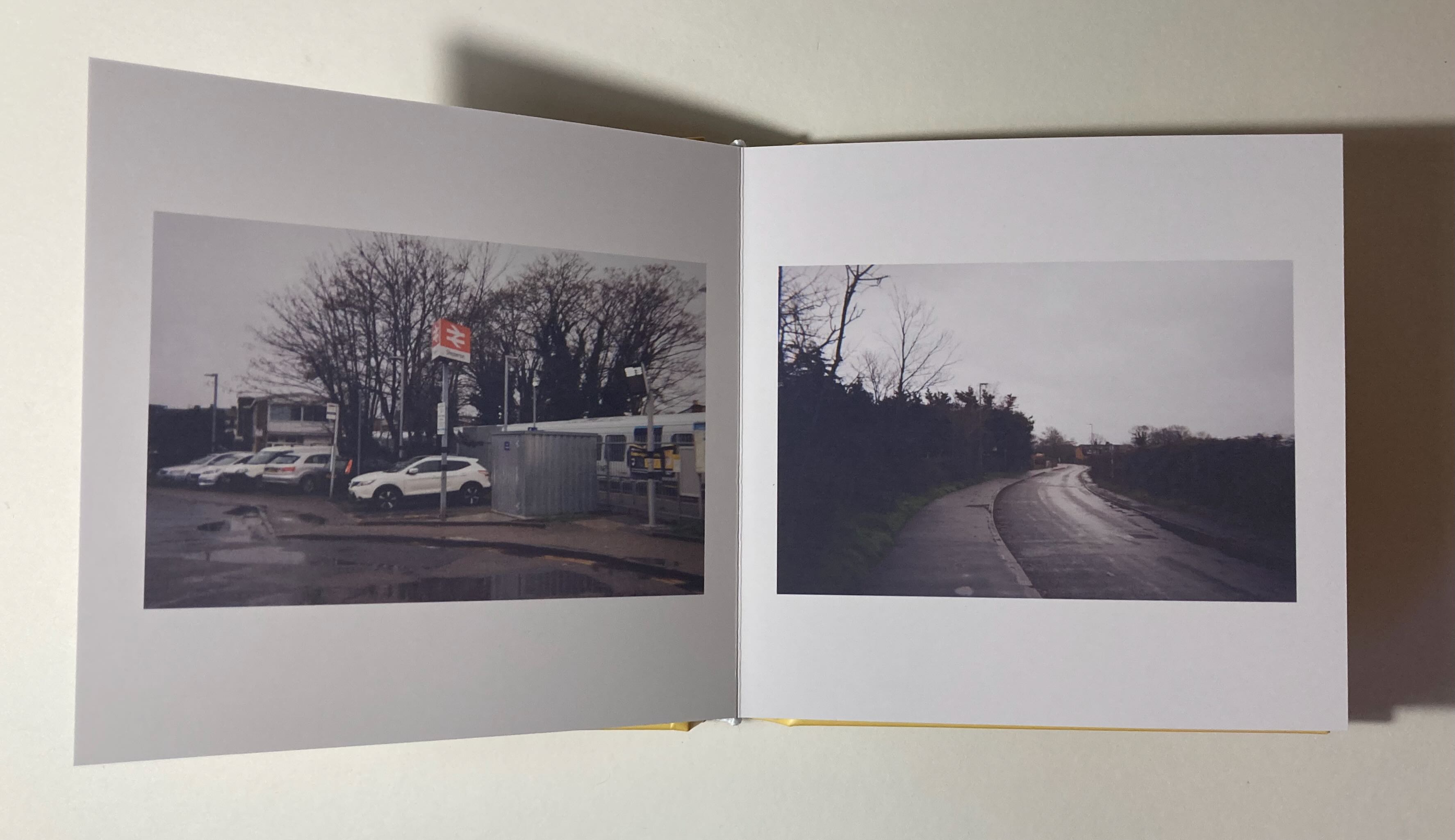
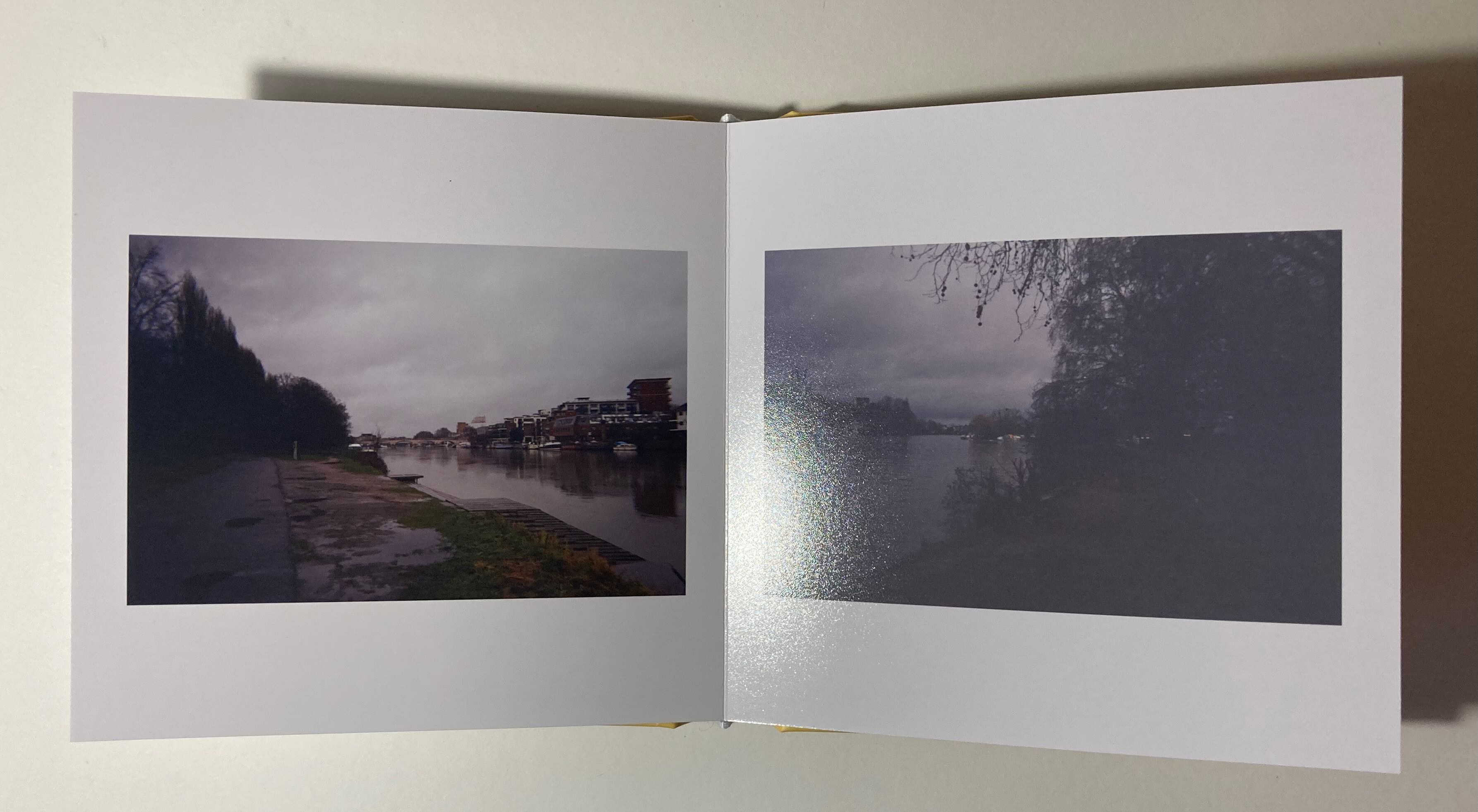
So, when I got the chance to stay in Richmond for a few days in January, and in-between visits to the Turner Bequest at Tate Britain, I decided to do a walk through Turner’s backyard. I caught a train from North Sheen to Shepperton and then followed the Thames Path back to Richmond. A walk of 16 miles. It was a very wet day. Constant rain and I got soaked. Strangely it was also very warm for January, about 12 or 13 degrees, so at least I didn’t get cold. Like my walks along ‘The Line’ I adopted the same rules for this walk, taking a photograph with my very basic film camera at each mile along the route, pointing the camera at the view ahead.
The book I had made comes from a website called ZNO and is one of their ‘little black books’. Its fairly low cost, helped by limited options. There are just two sizes, I went with 15cm x 15cm. You are limited to 10 double page spreads, twenty images. There is only one typeface, and one place for the text on the front cover and on the spine, but you can choose the colour of the cover and there are a couple of options for laying out your images. But I really like those limitations and I’m pleased with how the book looks. I went with yellow as a nod to Turner’s alleged love and ‘overuse’ of the colour in his paintings. I also just like the colour.
The walk really was a walk through history. So many well known landmarks and so many Royals and aristocracy who made their homes along this stretch of the river. By making this walk, and walking past Turner’s house, I got to understand why Turner may have chosen that spot. Today, his house feels very suburban, surrounded by streets of houses, but at the time, it would have stood alone, surrounded by fields (or water meadows) and quite possibly with views of Marble Hill and Orleans House, the play grounds of the rich. Turner was always ambitious, and I’m sure it is no coincidence that he made himself a neighbour of London society.
 Paul Tranter